


7 Reasons Your Tax Refund Might Be Smaller in 2026 — and How To Fix It
- - 7 Reasons Your Tax Refund Might Be Smaller in 2026 — and How To Fix It
Laura BeckFebruary 12, 2026 at 11:09 AM
0
NoDerog / Getty Images/iStockphoto
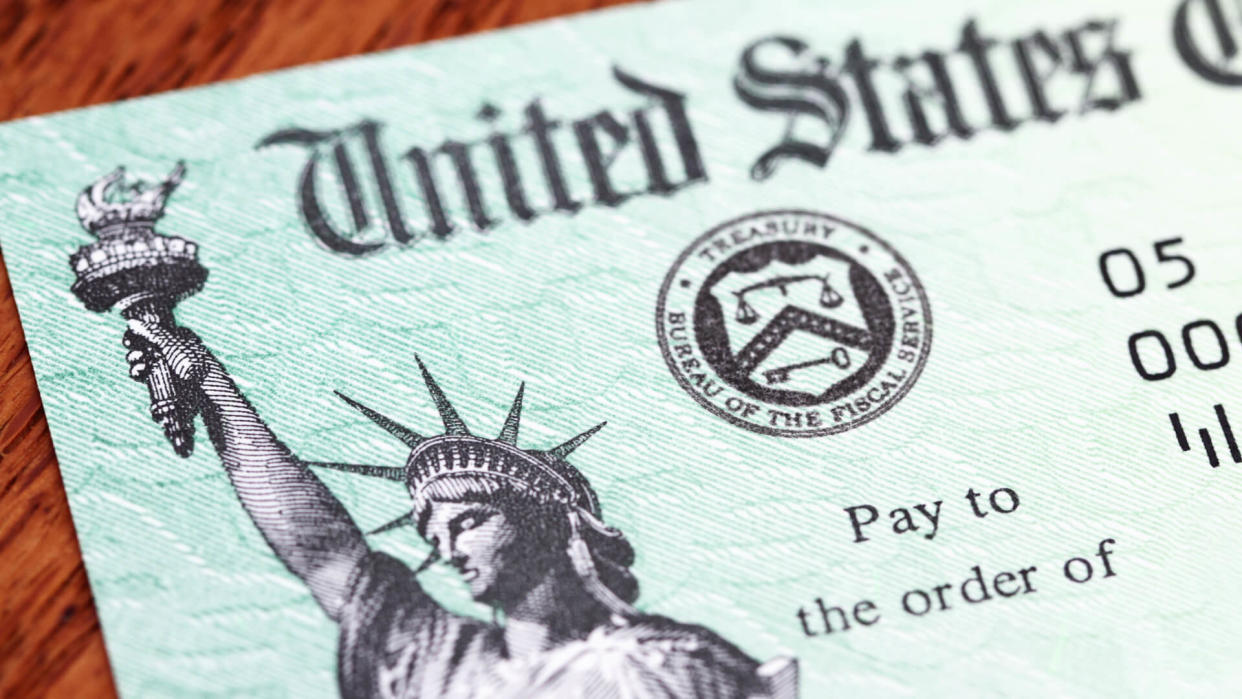
Some people might see bigger tax refunds this year because of the new tax bill, but not everyone wins. Other taxpayers are walking straight into smaller refunds or even tax bills, and they don’t know it yet.
Here are seven reasons your refund could shrink when you file in 2026, plus what you can do about it.
1. You Got a Raise or Started a Side Hustle
Making more money sounds great until tax season arrives. When your income goes up from a raise, bonus or side gig earnings, you might push into a higher tax bracket or lose eligibility for certain credits. You’ll also want to be wary of other issues in these situations.
“Additionally, if you under-withheld on your W-2 income or failed to file estimated tax payments for 1099 income, you may be facing a smaller refund — or even a balance due,” said Thomas J. Brock, a certified financial planner and certified public accountant.
If you picked up freelance work or started driving for Uber in 2025, you owe quarterly estimated taxes. Skip those payments and your refund disappears fast.
Find Out: 7 Tax Loopholes the Rich Use To Pay Less and Build More Wealth
Read Next: 9 Low-Effort Ways To Make Passive Income (You Can Start This Week)
2. You’re Working Multiple Jobs Without Coordinating Withholding
Failing to coordinate withholding across multiple W-4s can leave you owing money instead of getting a refund. The IRS assumes each job is your only income, so neither employer withholds enough to cover your total tax bill.
Update your W-4s to reflect your actual total income. The IRS has a withholding calculator that helps you figure out the right numbers.
3. Your Kid Turned 17
The child tax credit pays up to $2,200 per kid under 17. Once your child hits 17 before the end of the tax year, that credit drops to $500 as a credit for other dependents.
Losing that extra $1,700 per kid can turn a healthy refund into a much smaller one. If you have multiple children aging out of eligibility, the hit gets even bigger.
There’s no fix for this one. The rule is the rule. Just plan for a smaller refund so you’re not surprised.
4. You Don’t Qualify for the New Tax Breaks
Trump’s tax bill added deductions for tips, overtime and car loan interest, but they come with serious limitations. The tip and overtime deductions max out at $25,000 in qualified income, and the SALT deduction only helps if you itemize instead of taking the standard deduction.
Most people take the standard deduction because it’s higher than their itemized deductions. That means the increased SALT cap from $10,000 to $40,000 doesn’t help them at all.
If you don’t earn tips or overtime and you don’t itemize, these new tax breaks won’t boost your refund.
5. You Sold Your Home or Made Investment Gains
Selling your house for more than you paid creates a taxable capital gain. Same goes for selling stocks, cryptocurrency or other investments.
These gains add to your taxable income and can push you into a higher bracket or reduce your credits. If you made $50,000 in profit selling your house and didn’t account for that when calculating withholding, your refund will be way smaller than expected.
There’s not much you can do about gains that already happened. But if you’re planning to sell assets in the future, talk to a tax professional about estimated payments.
6. Your Unpaid Debts Got Taken Out of Your Refund
The federal government can grab your tax refund to pay unpaid child support, overdue student loans, past-due state taxes or other government debts. This is called a tax refund offset, and it happens automatically without warning.
If you owe money to a government agency, assume your refund will be smaller or gone completely. Pay off those debts before filing if you want to keep your refund.
7. You Changed Your Filing Status
Getting divorced, losing a spouse or no longer qualifying as head of household changes your standard deduction and tax bracket. Both of those affect how much you owe and how much you get back.
Marriage changes the math too. Getting married can help or hurt depending on how much each spouse earns. If both spouses make similar high incomes, you might hit the marriage penalty where filing jointly costs more than filing separately would have.
Check with a tax professional if your filing status changed in 2025. They can run the numbers and tell you what to expect.
How To Fix It Before It’s Too Late
Brock said you still have options even though 2025 is over.
“If you haven’t maximized your annual contributions to a traditional IRA or HSA, that is a surefire way to bolster your refund,” he explained. “Additionally, when filing your taxes, be sure to claim all available dependency exemptions and tax allowances. Work with a tax professional to make sure you don’t miss anything.”
You can contribute to a traditional IRA until the tax filing deadline in April 2026, and those contributions reduce your taxable income for 2025. Same goes for health savings accounts if you have a high-deductible health plan.
Double-check that you’re claiming every credit and deduction you qualify for. The IRS reports that 1 in 5 people miss the earned income tax credit, which can be worth over $8,000 for families with three kids.
Most people will see bigger refunds this year thanks to the One Big Beautiful Bill. But if you fall into one of these categories, your refund could shrink instead. Plan ahead so you’re not caught off guard when you file.
More From GOBankingRates
6 Kirkland Clothing Items You Should Buy in February To Maximize Savings
I Compared Prices Before and After Trump's Tariffs: Here's What Changed
9 Low-Effort Ways To Make Passive Income (You Can Start This Week)
6 Safe Accounts Proven to Grow Your Money Up to 13x Faster
This article originally appeared on GOBankingRates.com: 7 Reasons Your Tax Refund Might Be Smaller in 2026 — and How To Fix It
Source: “AOL Money”
